
Connected gauge vs. classic gauge: which one to choose?
Summary
- Understanding gauges: principles and operation
- Connected gauge vs. classic gauge: a quick and easy comparison
- Classic gauges: advantages, limitations and suitable profiles
- Connected gauges: precision, comfort and IoT
- How to choose the right gauge (quick guide)
- FAQ – Connected gauge vs. classic gauge
- Making the right choice for reliable tank management
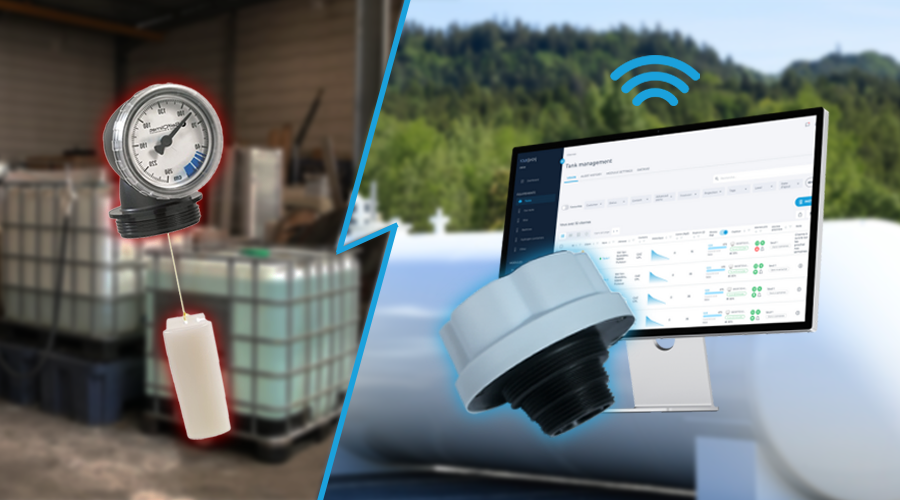
Choose between connected gauge and a conventional gauge depends on the level of precisioncomfort and the need for remote need for remote monitoring. For private individuals and professionals alike, the question arises as soon as you need to know the right oil level or heating heating oil remaining in your oil tank or your tank. This article will help you compare each gauge type in order to identify the most reliable and suitable solution, while explaining how Four Data technologies enable you to remote monitoring and prevent failure critical breakdowns.
Understanding gauges: principles and operation
Classic gauge: mechanical operation and common uses
The classic gauge is based on a mechanical system system: a float follows level and activates a needle visible on a dial or graduated column. This type of gauge has long been used in the oil tanks or fuel oil tanksfor standard domestic use. Reading is manualwithout data transmission or alert, but is still sufficient when the need for precision is limited and the method does not require remote monitoring.
Connected gauge: sensor, transmission, mobile application
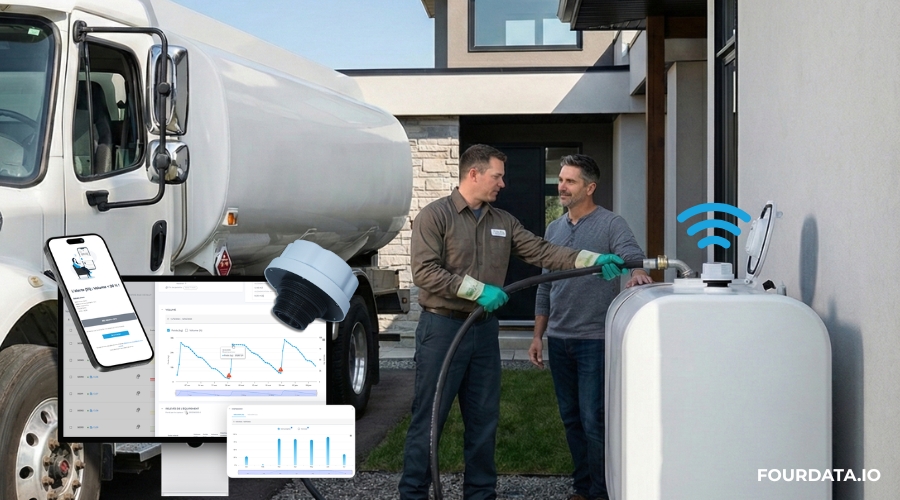
The connected gauge uses a level sensor (ultrasonic or pressure measurement) installed on the tank. The information is then transmitted via a network (LoRa, NB-IoT, LTE-Mor even Sigfox network) to a mobile application or a dashboard. This measuring system to obtain the tank level remotely alert you in the event of a breakdown. failureleak or low level, and ensure optimized management of your stock management.
Measurement technologies: float, pressure, ultrasonic
- Float Economical, but limited precision.
- Analog / digital pressure measurement suitable for underground tanksgood accuracy.
- Ultrasonic: high precision, ideal for fuel-connected gauges requiring advanced monitoring.
Advantages and limitations inherent in each technology
| Technology | Accuracy | Compatibility / Cost |
|---|---|---|
| Float | Low | Very economical, compatible with most types of tanks |
| Pressure | Good | Intermediate cost, ideal for deep tanks |
| Ultrasonic | High precision | More expensive, but easily integrates connected monitoring |
Connected gauge vs. classic gauge: a quick and easy comparison
| Criteria | Classic gauge | Connected gauge |
|---|---|---|
| Accuracy | Approximate, depends on float and manual reading | High accuracy, digital measurement, remote reading |
| Installation | Mechanical installation, requires access to the tank | Simple installation, sometimes without drilling, compatible with above-ground and underground tanks |
| Ease of use | Readout on dial or graduated slat gauge | Consultation via mobile app, notifications and history |
| Safety | Risk of misreading → breakdown | Automatic alert, remote monitoring, oil level monitoring |
| Long-term cost | Inexpensive to buy, but frequently inaccurate | Higher initial investment but savings and better fuel management |
Measurement accuracy and reliability
The connected gauge provides precision thanks to a fuel sensor capable of measuring the actual liquid level and avoiding the reading errors common with mechanical solutions. It also enables day-by-day consumption analysis.
Installation: simplicity, compatibility, constraints
- Classic Manual installation, requires direct access to the tank, mechanical operation.
- Connected : simple installationquick connection, sometimes no drilling required, compatible with different tank types (overhead, underground oil tank, fuel oil tank).
- Battery- or mains-powered, depending on model.
Comfort of use: reading, alerts, mobility
A fuel gauge connected to a smartphoneallows you to check the your tank level at any time. Automatic alerts warn of low levels, while the consumption history facilitates energy optimization.
Safety: anticipating breakdowns and preventing risks
Remote remote and notifications help prevent running out of fuel, late leakage or unanticipated filling. Remote monitoring enhances measurement system and limits critical situations.
Classic gauges: advantages, limitations and suitable profiles
Assets: accessibility, price, sturdiness
- Affordable priceA cost-effective solution for small installations.
- Ruggedoperates without a power supply or network connection.
- Technology simple float + dial, suitable for everyday use.
- Easy to install and use, no technical knowledge required.
Limitations: lack of alerts, risk of errors, lack of precision
A classic gauge relies on manual level reading, which increases the risk of incorrect interpretation, especially when the tank is partially filled or the liquid is cloudy. The measurement may vary depending on the position of the float, making it difficult to monitor the consumption less reliable. Without alertIn this case, it’s impossible to anticipate a critical drop or unplanned filling.
For which users is the classic gauge still enough?
- Tenants looking for a simple solution without major investment.
- Small tanks or installations where monitoring is not critical.
- Situations where a mechanical method is all that’s needed to control the level.
- Secondary buildings: cottages, workshops, spaces with little heating.
- Users with a limited need for monitoring or infrequent use of heating oil.
Connected gauges: precision, comfort and IoT
Remote monitoring, automatic alerts, consumption history
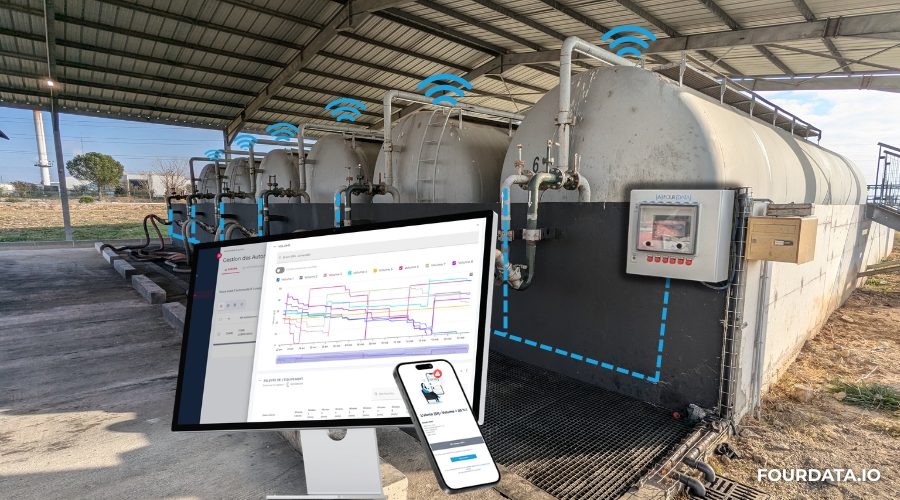
A connected gauge to monitor the level of your tank at remotelyget notifications of low levels or unusual changes, and avoid critical situations such as breakdown heating system. The data can be consulted via a dashboard for easy inventory management stock and analyze consumption trends over time.
Smartphone compatibility & digital integration
Thanks to a mobile applicationWith this new technology, it’s now possible to check oil levels from anywhere, without physical access to the tank. Today’s connected gauges offer reliable connectioncompatible with different networks, and easy integration with everyday digital devices.
Why choose a connected gauge to optimize fuel management?
Connected fuel gauge provides precisionaccuracy automated reading and intelligent consumption monitoring. It also helps avoid unforeseen events thanks to its alerts.
Mini-list :
- Preventing failure or a critical level
- Save money by adapting fuel orders
- Know the exact level effortlessly
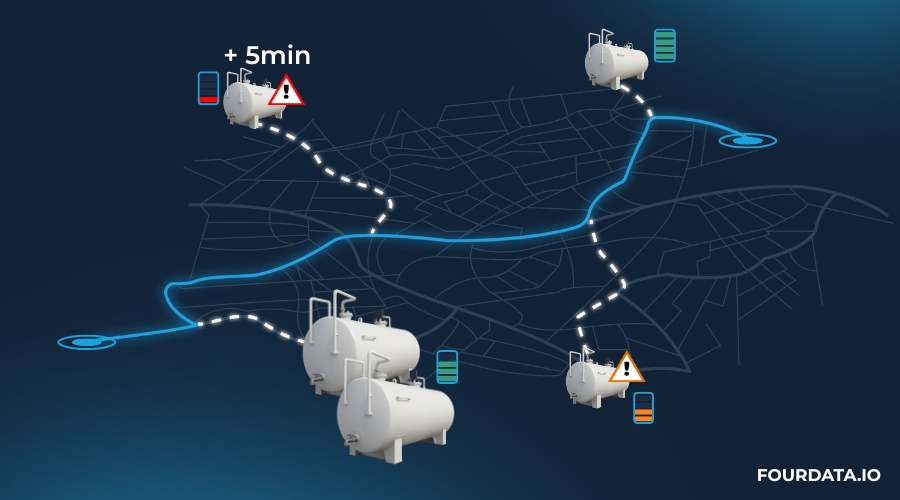
- Facilitate multi-site management
Case study
One user avoided a blackout on a Sunday evening: the low-level alert warned him in time to order heating oil. heating oil the following day.
How to choose the right gauge (quick guide)
Decision criteria: budget, precision, desired comfort level
- Your budget and the acceptable level of investment
- The need for precision (simple tracking vs. high precision)
- The frequency of use of the heating system
- The need to remote monitoring or not
- The type of gauge compatible with your tank (classic or connected)
Recommendations according to needs: private, commercial, multi-tank
For homea connected gauge makes it easier to check the oil levelespecially to avoid unforeseen events or optimize fuel oil orders.
For companies or industrial sites, automated monitoring is ideal for managing multiple tanks, securing fuel stock and centralizing data.
For multi-tank installationsthe use of a level sensor provides a useful overview for energy planning.
Final choice: when connected gauges become indispensable
It is essential when precision, safety and remote management are paramount. A connected gauge ensures reliable monitoring, prevents breakdowns, optimizes fuel purchases and simplifies day-to-day management.
Checklist: essential if…
- You want to know the actual level without moving
- You need to avoid critical breakdown
- You manage several tanks or a professional site
- You want to automate alerts and tracking
FAQ – Connected gauge vs. classic gauge
Making the right choice for reliable tank management
The difference between a mechanical gauge and a connected solution lies in precision, safety and day-to-day management. Thanks to modern sensors, it is now possible to monitor your fuel level remotelyreceive automatic alerts and avoid unforeseen events.
👉 Discover the ideal solution for your system: connected oil gauge
A simple and effective way to ensure the continuity of your heating and control your consumption.
You may also be interested in these articles :