
Tank telemetry for heating oil and pellets | FOUR DATA
Summary
9 min read · Published 02 October 2026 · Updated 02 october 2026
Written with the expertise of Quentin Gauthray, Key Accounts Manager France at FOUR DATA, who helps energy distributors roll out telemetry across their customer tank fleets.
In this article
- What is tank telemetry?
- Why winter puts delivery rounds under pressure
- Ranking tanks and silos by actual autonomy and criticality
- Pellet silos: specific measurement challenges
- How to prepare your tank fleet for winter
- Calendar-based or data-driven delivery rounds?
- Case study: Mérillat SA, heating oil and pellet distributor in Switzerland
- What Desk and Sens change for your teams
- FAQ
- Get ready for winter now
On 29 September 2026, at a meeting of EU energy ministers in Dublin, European Energy Commissioner Dan Jørgensen said the EU does not expect supply problems this winter, but does expect very high oil and gas prices. For heating oil and wood pellet distributors, the message is simple. Product will be available, but every delivery will cost more to organise and finance.
A half-empty round, an emergency Saturday drop-off or a tank topped up while still two-thirds full all eat further into margins. The operational answer fits in one sentence: this winter, deliver according to each customer’s actual autonomy, not according to the calendar.
What is tank telemetry?
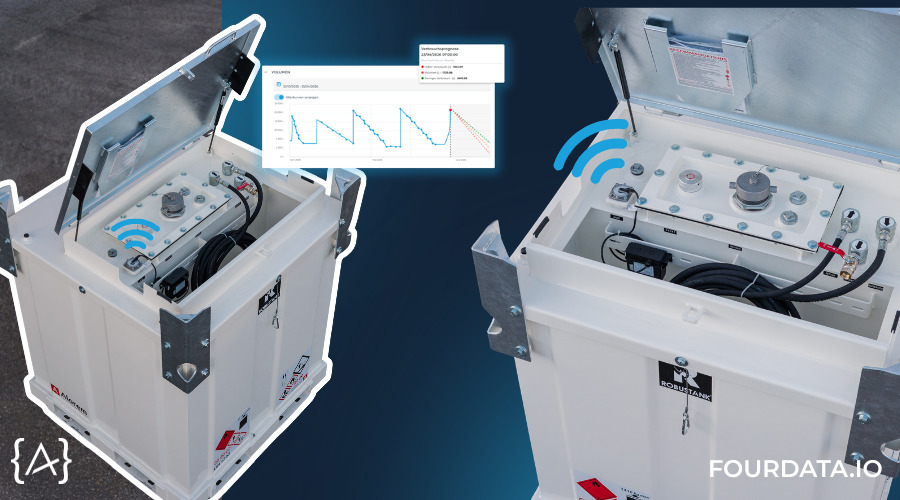
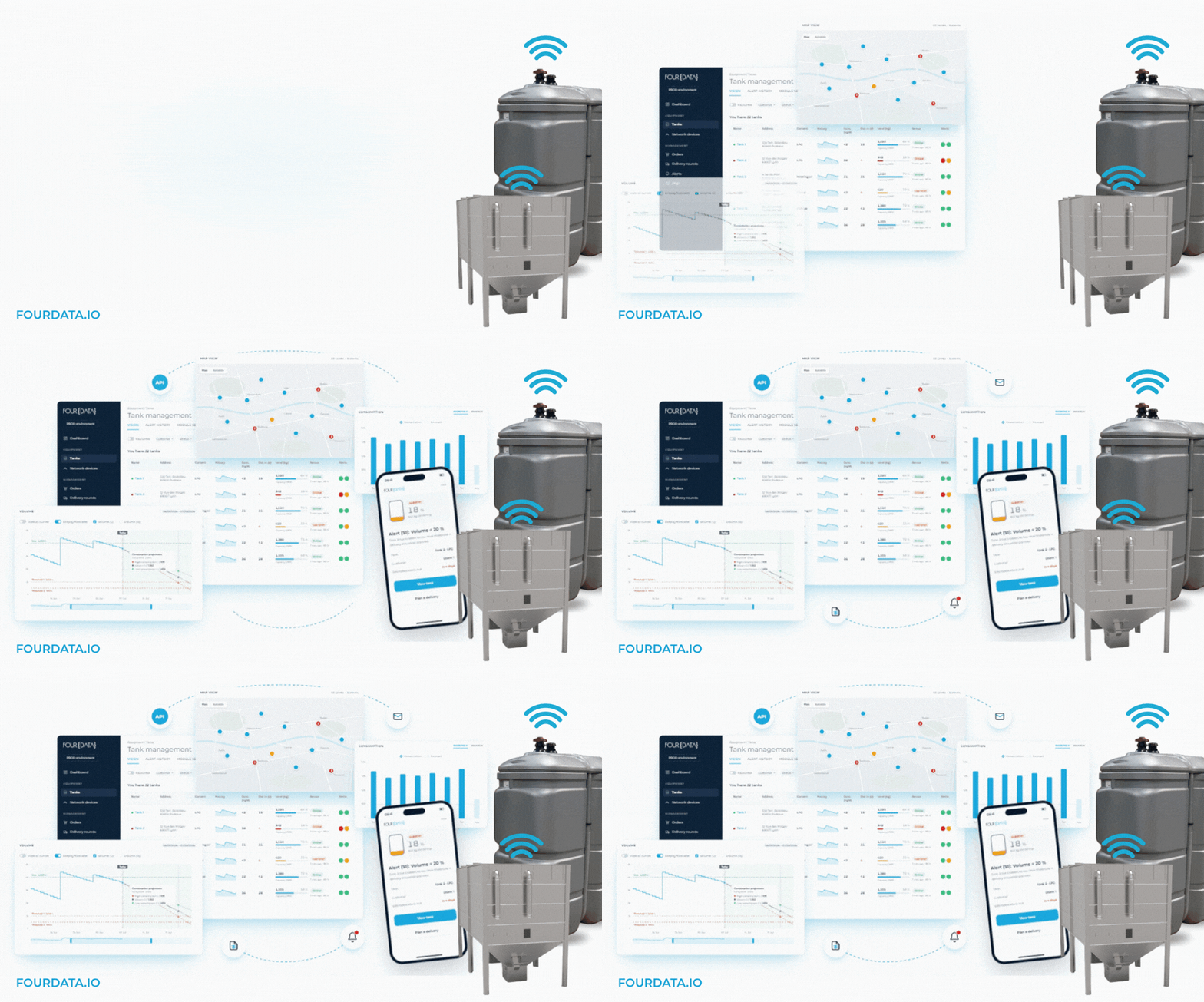
Tank telemetry means measuring the level of a tank or silo remotely with a connected sensor. The reading is sent over an IoT network (LTE-M, NB-IoT, LoRaWAN or Sigfox) to a monitoring platform. From there, the distributor can see each customer’s level, estimated autonomy and alerts.
How tank telemetry works: from the sensor to the distributor’s delivery decision
FOUR DATA designs and manufactures its own sensors for each type of storage.
The data feeds into the Desk platform, used by operations teams, or into Sens, the white-label version for end customers.
Note
The same approach applies to propane tanks, using a dedicated pressure sensor. We cover that case in our article on propane tank telemetry ahead of winter.
Why winter puts delivery rounds under pressure
Between October and February, customers’ heating consumption can rise several-fold depending on how cold it gets. Heating degree days, which most distributors already use to estimate consumption, show this clearly: a week of hard frost empties a tank far faster than a mild one.
Without field data, distributors rely on two imperfect tools. The first is the calendar: the customer gets a delivery every few months, whether they need it or not. The second is the customer’s phone call, which often comes too late, when the tank is almost empty.
Every logistics manager knows the result: poorly filled rounds, emergencies that disrupt the schedule, and trucks returning to the same area two days in a row.
This winter, high energy prices magnify every inefficiency. An unnecessary delivery ties up a driver and a truck. A run-out at a sensitive customer means an emergency call-out and, sometimes, a lost account.
“Every October, distributors see the same thing: the phone rings with emergencies that could have been spotted three weeks earlier. Data doesn’t make the winter peak go away. It lets you prepare for it.”
Quentin Gauthray, Key Accounts Manager France, FOUR DATA
Ranking tanks and silos by actual autonomy and criticality
The most effective method before winter is to score every delivery point on two criteria: actual autonomy and customer criticality.
Actual autonomy is easy to calculate. It is the usable volume left, divided by recent average daily consumption. A connected sensor provides both figures continuously, whereas a manual reading only gives a one-off snapshot.
The priority rule follows directly: a customer becomes a priority as soon as their autonomy falls below your usual delivery lead time plus a safety margin. That margin depends on your organisation and on how critical the site is.
| Priority | Actual autonomy | Customer profile | Recommended action |
|---|---|---|---|
| 1 | Below lead time + margin | Sensitive site: care facility, livestock farm, industrial process | Schedule delivery immediately, platform alert |
| 2 | Below lead time + margin | Standard residential or commercial | Add to the next round in that area |
| 3 | Close to threshold | Any profile | Closer monitoring, possible grouping by area |
| 4 | Comfortable | Any profile | No delivery, routine monitoring |
This ranking changes the planning logic. Instead of starting from a list of customers to deliver, you start from a map of real needs, sorted by urgency and by area.
Map your at-risk tanks and silos before the first cold snap. Our teams can help you identify which delivery points to equip first. Let’s talk about your project →
Pellet silos: specific measurement challenges
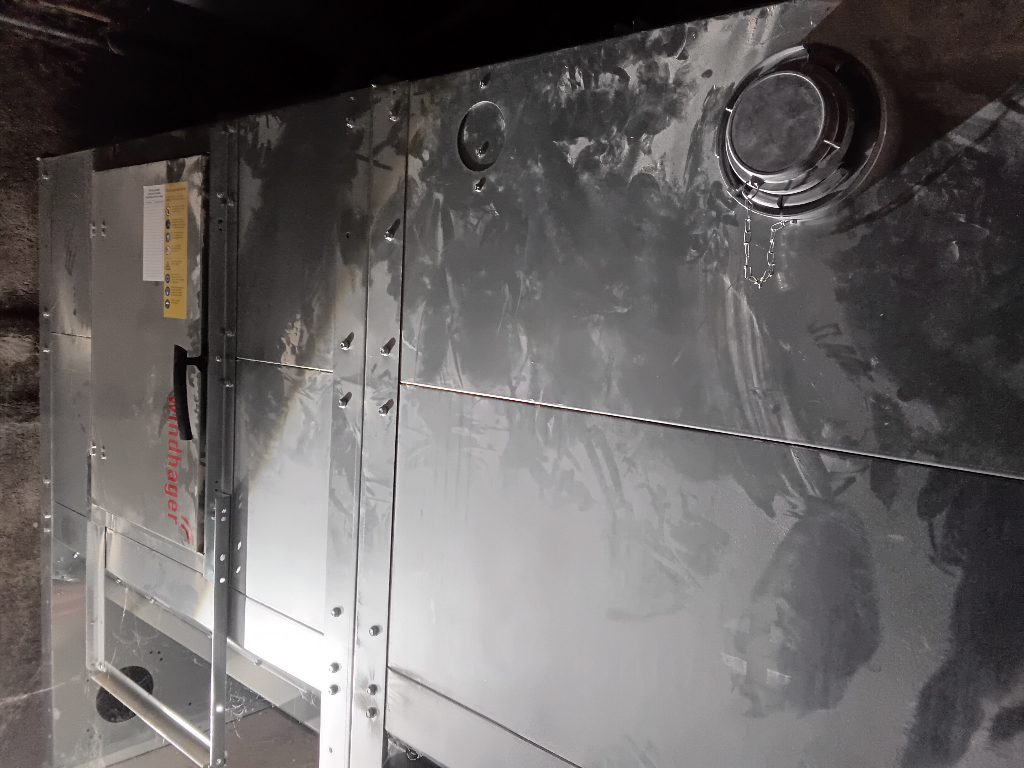
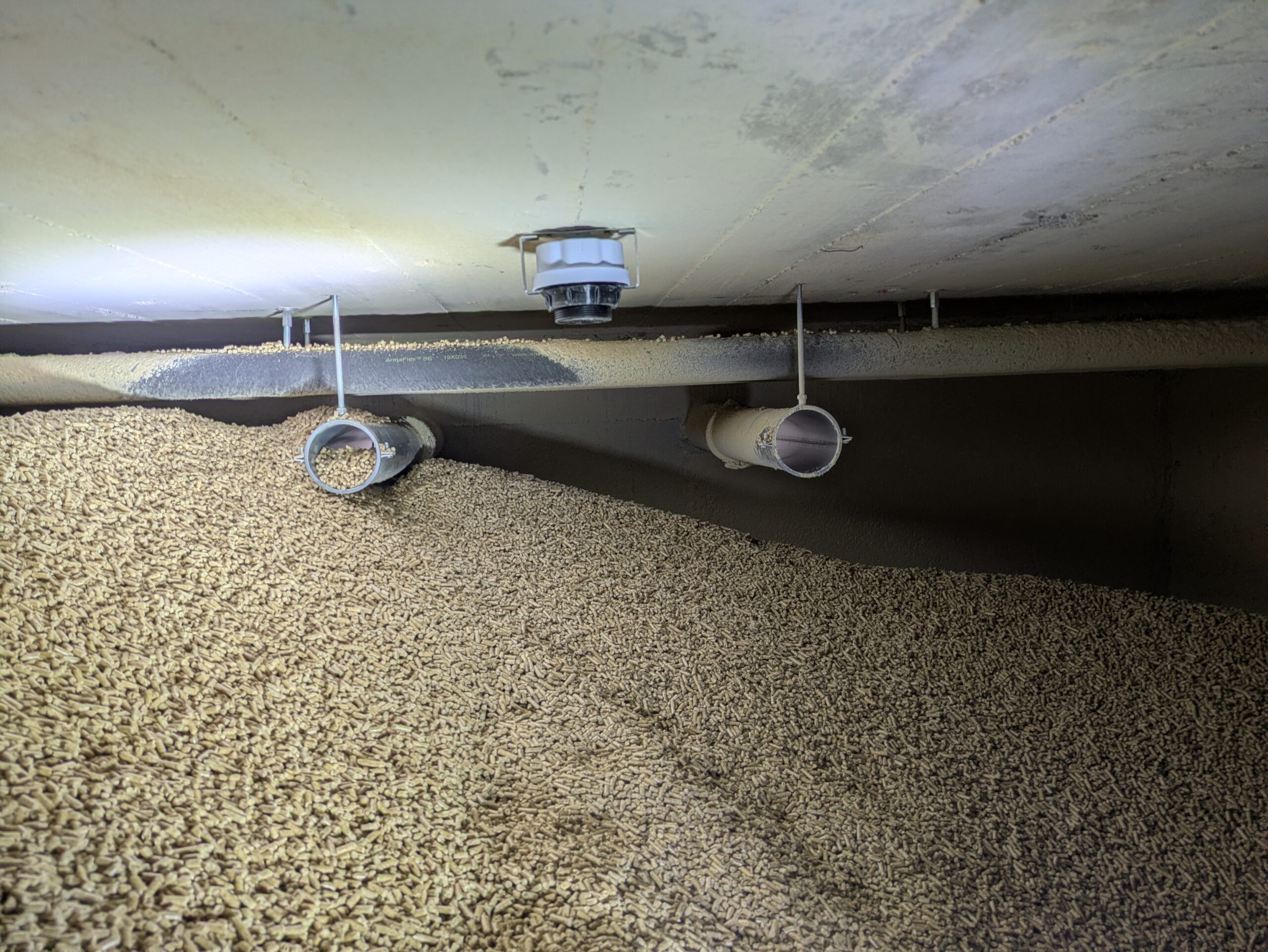
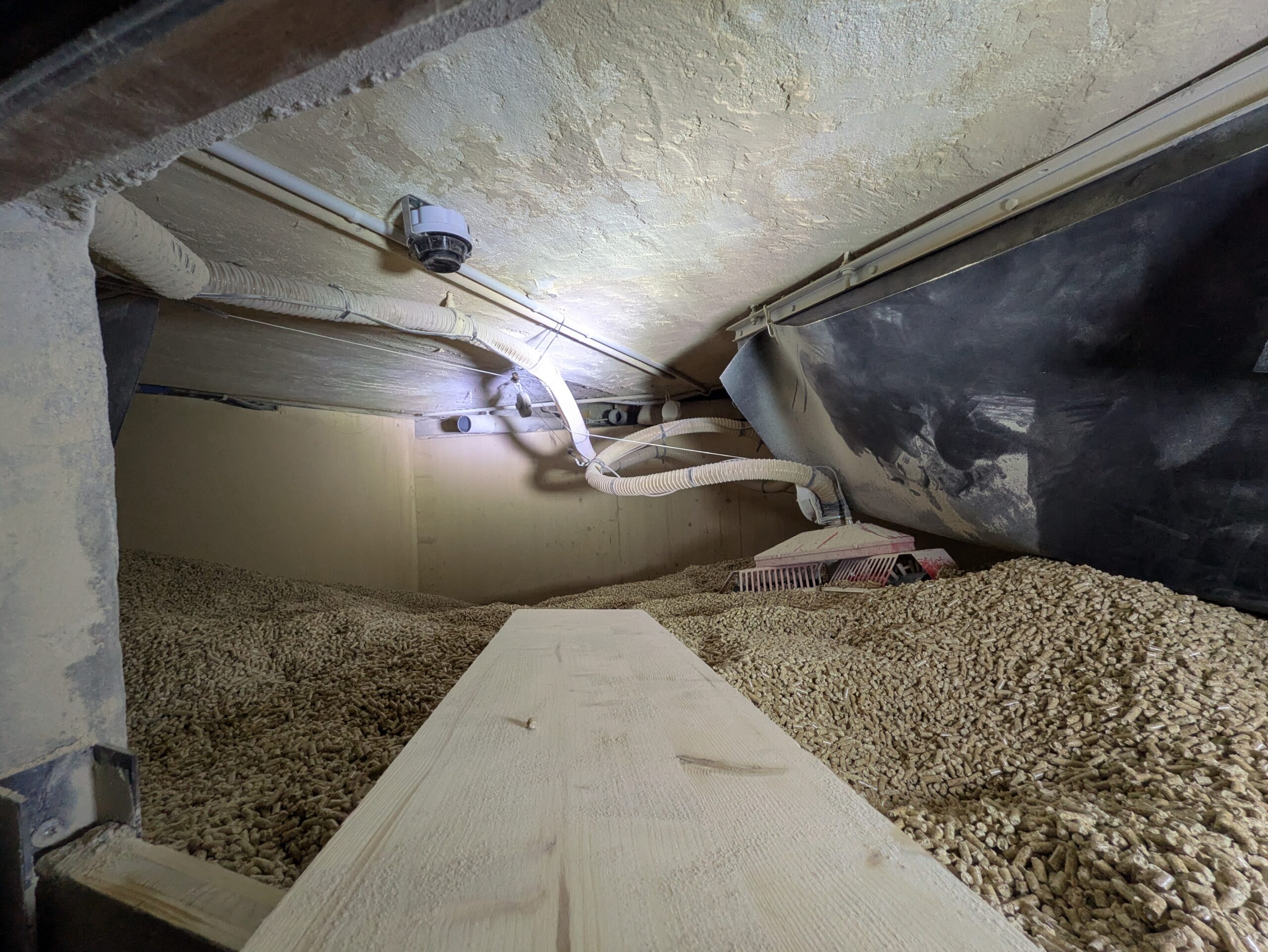
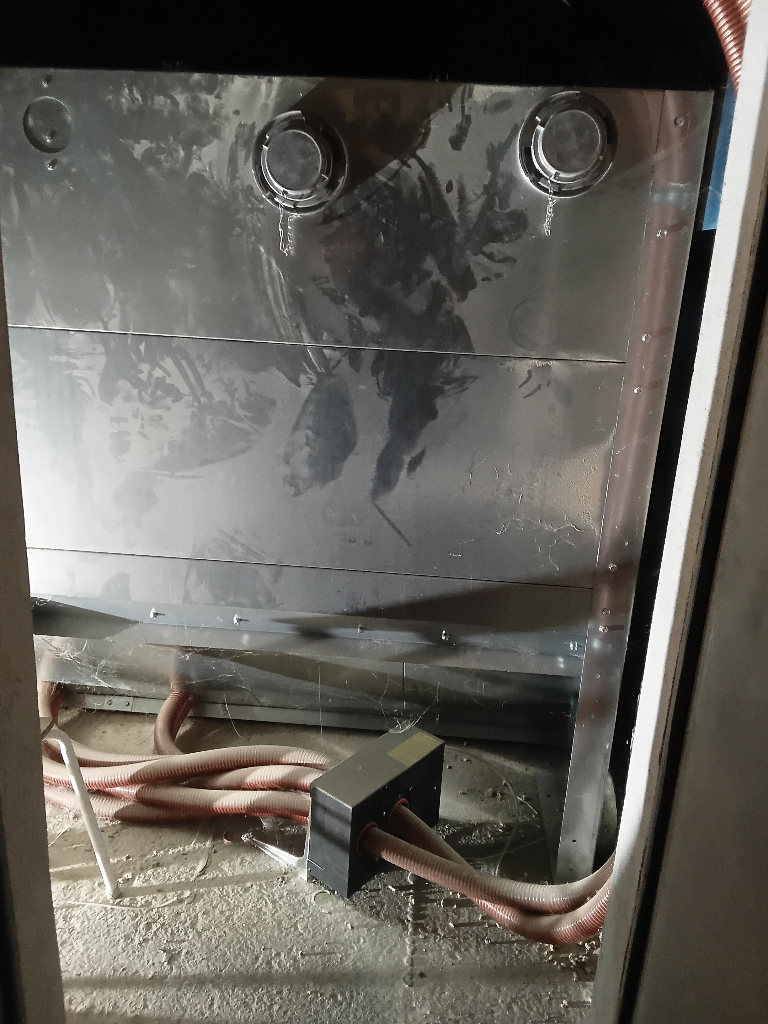
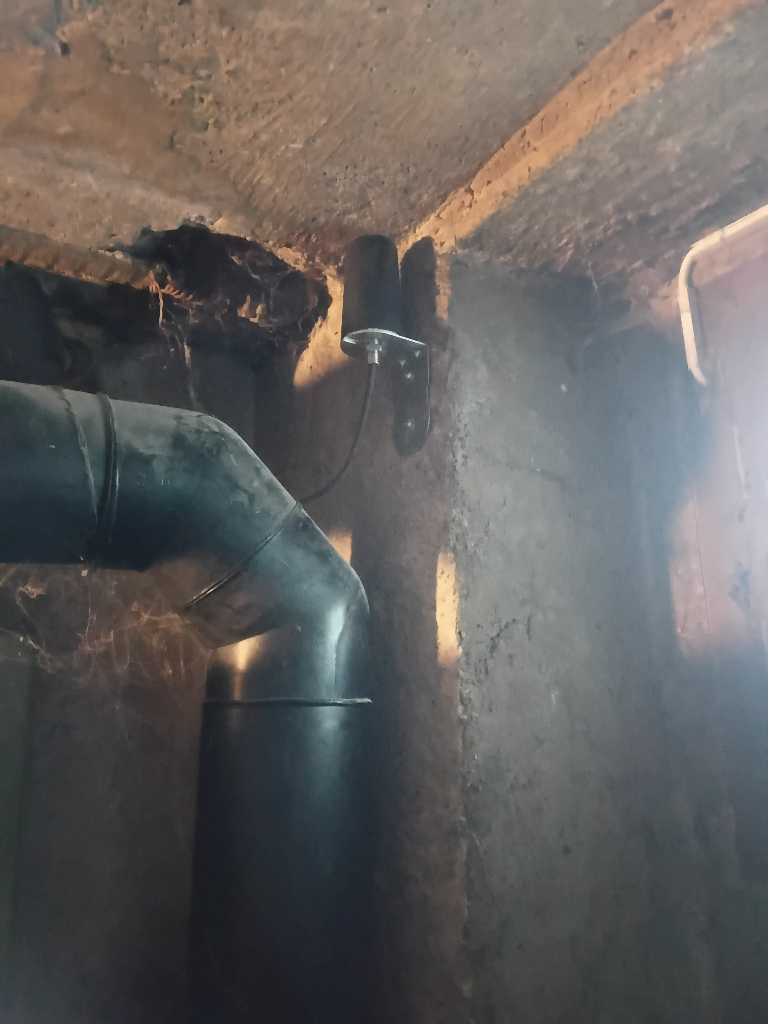
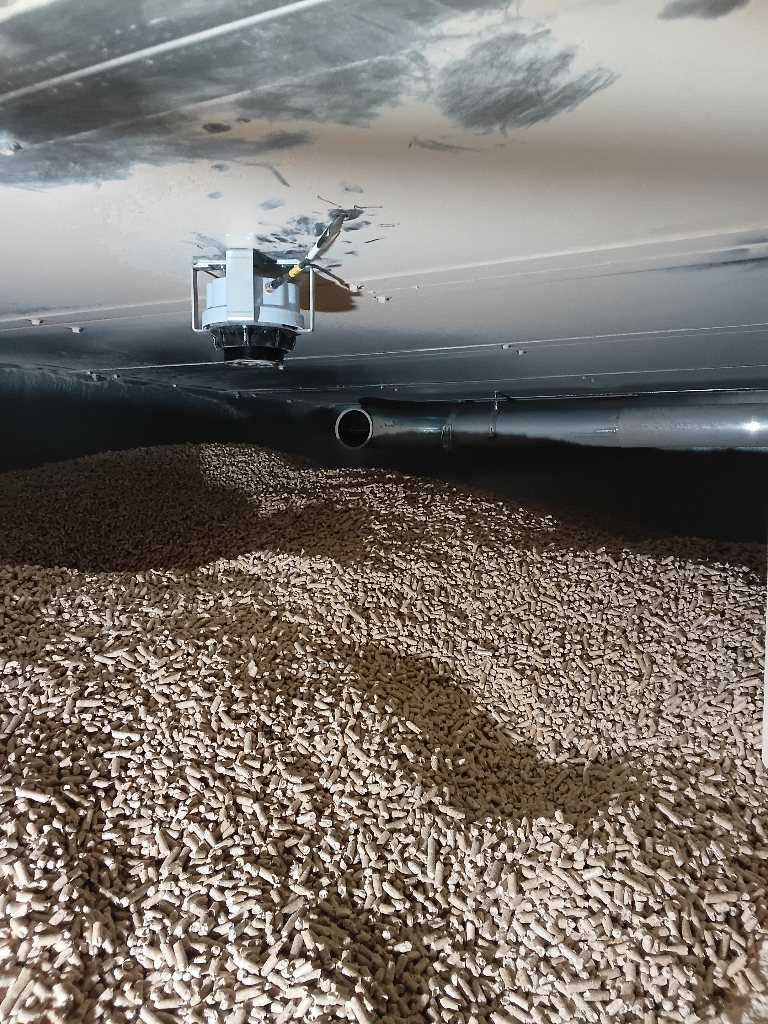
Wood pellets follow the same seasonal pattern as heating oil, with consumption concentrated in the coldest months. Measuring the level in a pellet silo, however, brings its own difficulties.
The pellet surface is never flat. Filling forms a cone, extraction creates a hollow, and airborne dust disrupts some sensors. For these reasons, radar is generally preferred over ultrasound in silos, as the radar signal copes better with dust and stays reliable over greater heights.
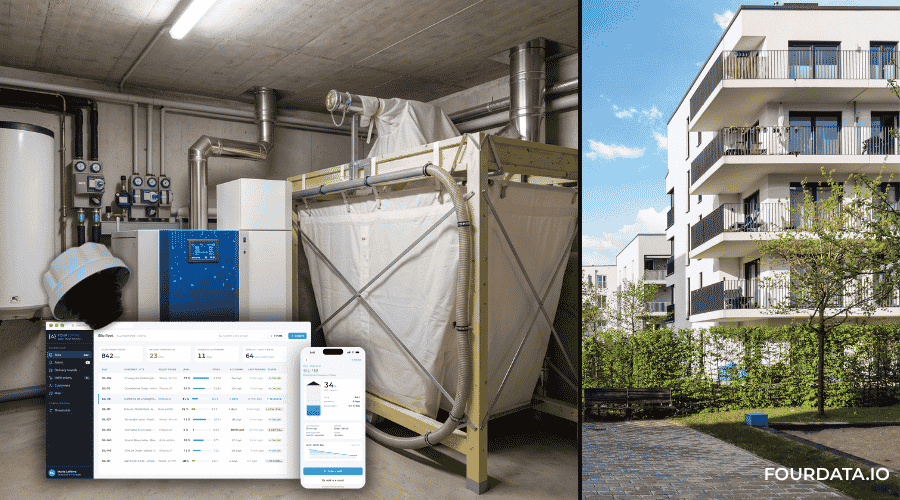
FOUR DATA equips pellet silos with the NOVA RADAR, mounted at the top of the silo. The platform converts the measured height into volume based on the silo’s geometry, then calculates autonomy exactly as it does for an oil tank.
No two silos are identical, so some configurations require a technical study beforehand, which FOUR DATA carries out before any deployment. For a distributor delivering both heating oil and pellets, both product families appear in the same interface and follow the same prioritisation logic.
How to prepare your tank fleet for winter
- List your delivery points. Group customers by product (heating oil, pellets), by area and by criticality.
- Equip critical sites and large consumers first. They generate the most emergencies and the most volume.
- Set alert thresholds. Define a reorder level that matches your delivery lead time and each customer’s criticality.
- Plan rounds from actual levels. Group customers whose autonomy is nearing the threshold within the same area.
- Keep end customers informed. With white-label Sens, customers check their level under your brand and call you less often.
Attention
Deployment should start before the peak. A sensor installed in November provides little consumption history for the coldest weeks.
Calendar-based or data-driven delivery rounds?
| Criterion | Calendar-based round | Telemetry-driven round |
|---|---|---|
| Trigger | Fixed date or customer call | Actual level and autonomy |
| Drop size | Variable, sometimes small | Delivered when the volume justifies it |
| Emergency handling | Reactive, often same day | Anticipated through alerts |
| Customer visibility | None between deliveries | Customer can check their level |
| Response to a cold snap | Late | Consumption visible from the first days |
Case study: Mérillat SA, heating oil and pellet distributor in Switzerland
Mérillat SA is an energy distributor based in Malleray, in the Bernese Jura. The company supplies heating oil and pellets and operates service stations. It relies on the complete FOUR DATA solution:
- NOVA US ultrasonic sensors and pressure probes on its customers’ tanks;
- connectivity selected after a coverage test;
- the Desk platform for monitoring.
Alert thresholds are set tank by tank: a large consumer does not trigger an alert at the same level as a low-turnover site. The clearest benefits are at high-volume sites, which previously exposed the distributor to run-outs and urgent delivery requests.
Mérillat now schedules these deliveries before the critical threshold is reached and groups drops by geographic area. In a region of valleys where every journey counts, this grouping has a direct effect on delivery costs.
The deepest change is commercial. Mérillat no longer just delivers heating oil: it manages its customers’ stock remotely and anticipates their needs on their behalf. End customers no longer have to watch their tank or order at the right moment. With the white-label Sens module, they can check their levels under their distributor’s brand.
Mérillat has identified pellet silos as its next step, in a Swiss market where pellet heating is growing.
Note
Mérillat SA, a heating oil and pellet distributor in Malleray, monitors its customers’ tanks with FOUR DATA sensors and the Desk platform to plan deliveries based on actual levels.
Read the full case study: how Mérillat SA is digitising its service in Switzerland →
What Desk and Sens change for your teams
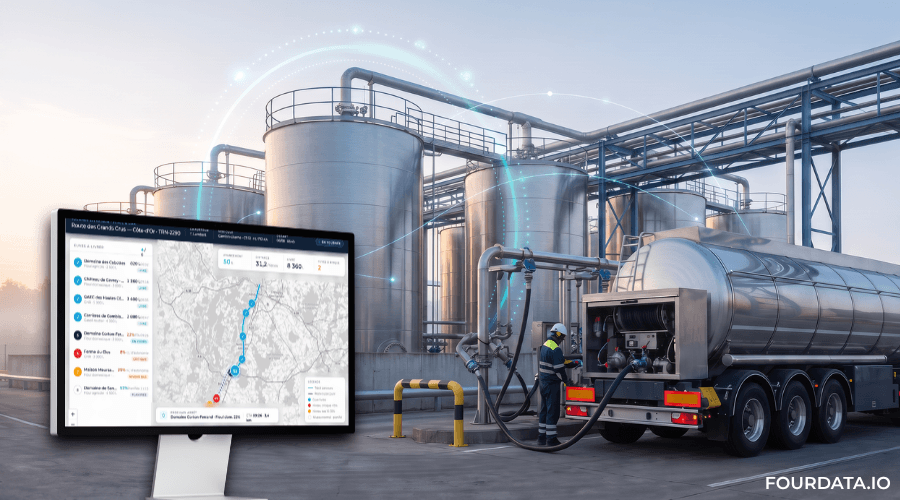
In Desk, the operations manager sees the entire fleet on a map and in a list sorted by autonomy. Alerts flag customers who drop below their threshold. The planner builds rounds from that list, grouping nearby delivery points.
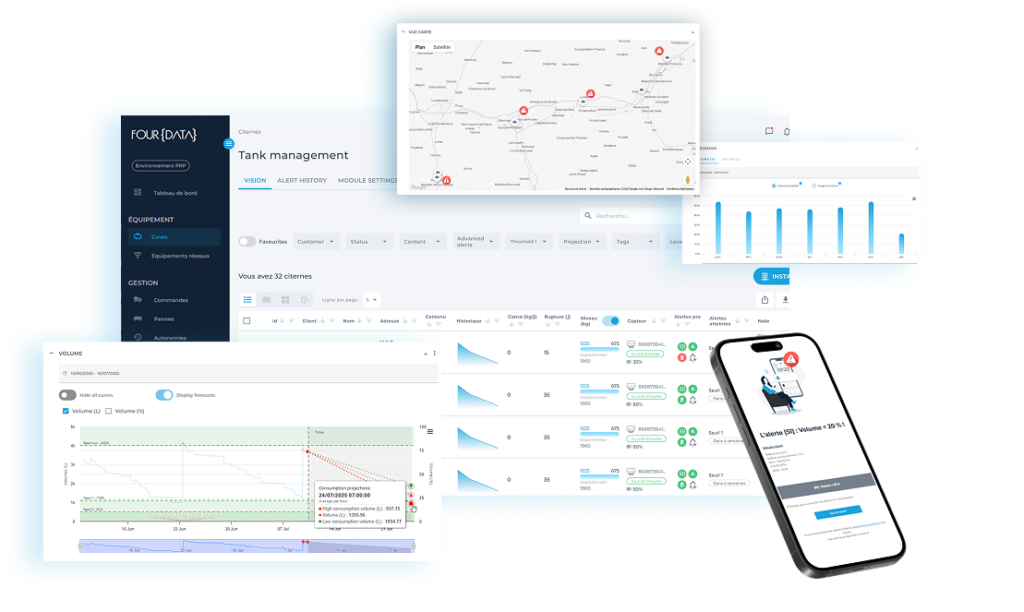
Customer service benefits too. When a customer calls, the agent immediately sees their tank level and planned delivery date. The conversation becomes factual, and the customer is reassured faster.
With white-label Sens, the distributor goes further: customers check their own levels under the distributor’s brand. That is a strong loyalty lever, especially in a winter when customers compare prices and keep a close eye on consumption.
Data can also be pushed into the distributor’s ERP via API, so that orders are created automatically from measured levels.
FOUR DATA has deployed around 80,000 sensors across Europe, for national networks and regional operators alike. Controlling the entire chain (sensor, connectivity, platform and support) means the solution can be adapted to every type of storage, from a residential heating oil tank to a pellet silo several metres high.
FAQ
Get ready for winter now
You may also be interested in these articles :